 Mariella
The Pompeii history is a gripping tale of life, death, and an extraordinary archaeological rebirth. Often overshadowed by its tragic end, the city was once a vibrant Mediterranean hub. Today, it stands as a melt-in-your-mouth cultural experience for travelers seeking to walk through a “time capsule” of the Roman Empire. Understanding its layers is crucial to appreciating the magnitude of what lies beneath the volcanic ash. Top Things to Do in Naples: The Ultimate Guide for First-Timers.
Quick Facts for Your Visit
- Best Time to Visit: Spring or Fall to avoid the blistering 180°F summer heat (figuratively speaking, it reaches 32°C).
- Must-See: The Forum, the Lupanar (brothel), and the House of the Faun.
- Expert Tip: Always buy your tickets in advance to skip the 2-hour lines.
The Golden Era: A Roman Resort Town
Long before the ash fell, Pompeii history was defined by luxury and commerce. It wasn’t just any city; on the contrary, it was a coastal playground for Rome’s upper class. The city boasted an open crumb structure of urban planning—breathable streets, sophisticated water systems, and public spaces that rivaled the capital itself.
The local economy thrived on agriculture. Furthermore, the volcanic soil of Mt. Vesuvius provided a rich flavor profile for local grapes, making Pompeian wine a premium export. Walking through the ruins today, you can still see the thermopolia (ancient snack bars) that served the thousands of merchants who docked at its busy port.
The 79 AD Eruption: A Scientific Perspective
To truly grasp Pompeii history, we must move past the myths. The city wasn’t “destroyed” by fire; rather, it was entombed by a series of high-speed avalanches of gas and ash known as pyroclastic flows.
- Heat Impact: Temperatures reached over 300°C, killing residents instantly before the ash even buried them.
- The “Fiorelli” Method: This preservation was so perfect that archaeologists can inject plaster into the voids, creating the hauntingly lifelike “casts” of the victims.
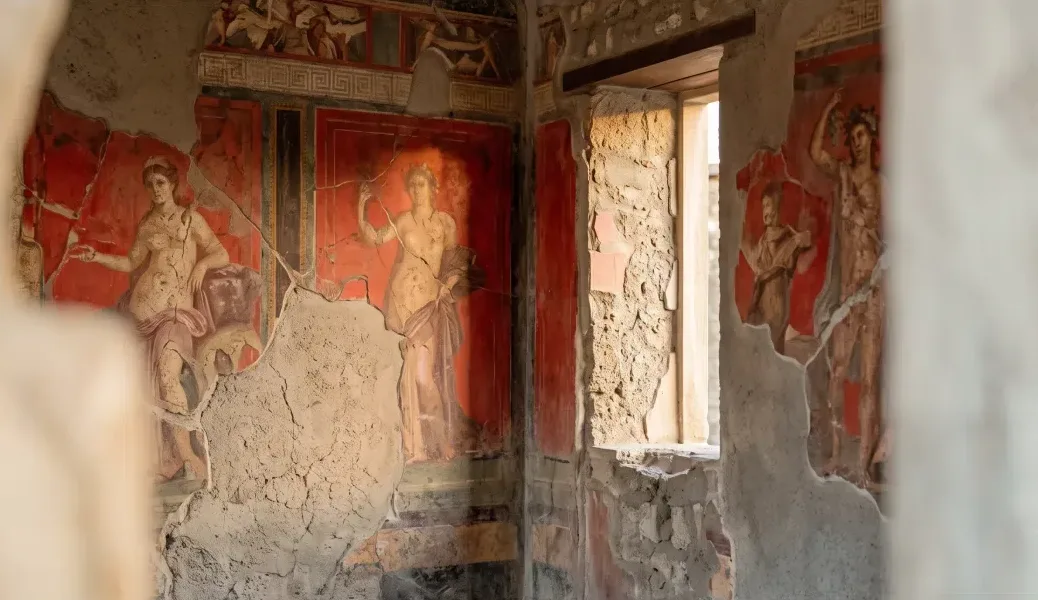
- Cultural Preservation: Because oxygen was cut off, frescoes and even carbonized bread have survived for nearly 2,000 years.
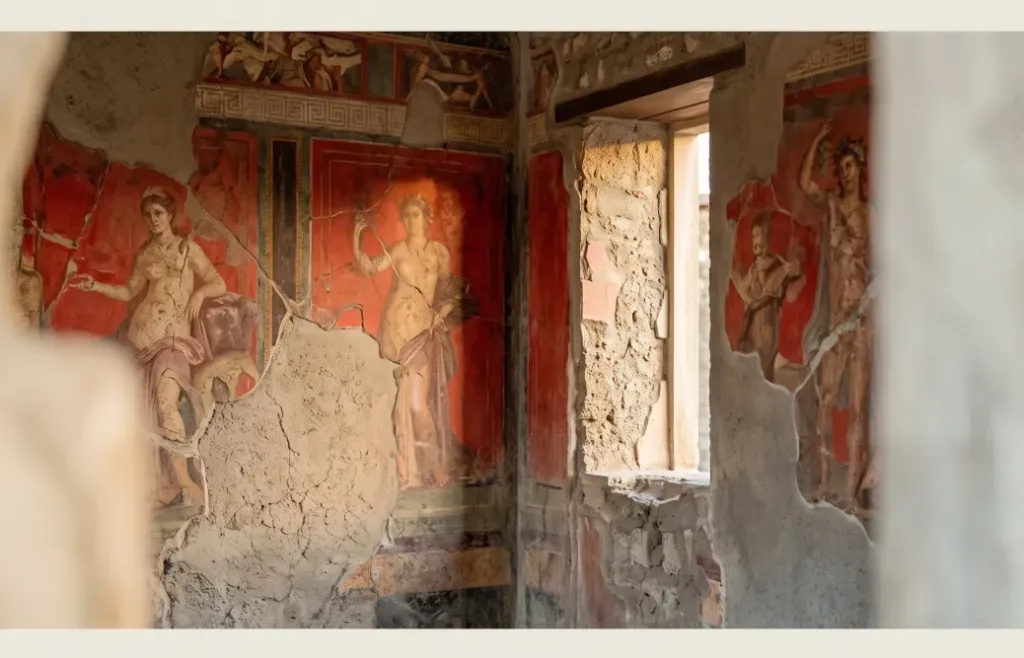
From Ruin to Red Carpet: Pompeii in Pop Culture

The evolution of Pompeii into a global cultural icon is tied closely to the silver screen. For example, the ruins provide an authenticity that no CGI can replicate.
- Cinema: Films like The Last Days of Pompeii have been made dozens of times, each generation finding new meaning in the disaster.
- Music: The 1971 film Pink Floyd: Live at Pompeii redefined how we interact with ancient spaces.
- Modern Museum: Today, the site uses augmented reality to bring Pompeii history to a younger audience.
Logistics: How to get to Pompeii and Mount Vesuvio
Navigating the Campania region can be tricky. Therefore, here is the ultimate guide to reaching these historical landmarks.
How to get to Pompeii from Naples?
The most reliable way is the Circumvesuviana train. Head to Napoli Centrale and follow signs for “Circumvesuviana”. Take the line towards Sorrento and get off at Pompei Scavi – Villa dei Misteri. In addition, the Campania Express offers a tourist-class experience with faster travel times.
How to get to Mount Vesuvio from Pompeii?
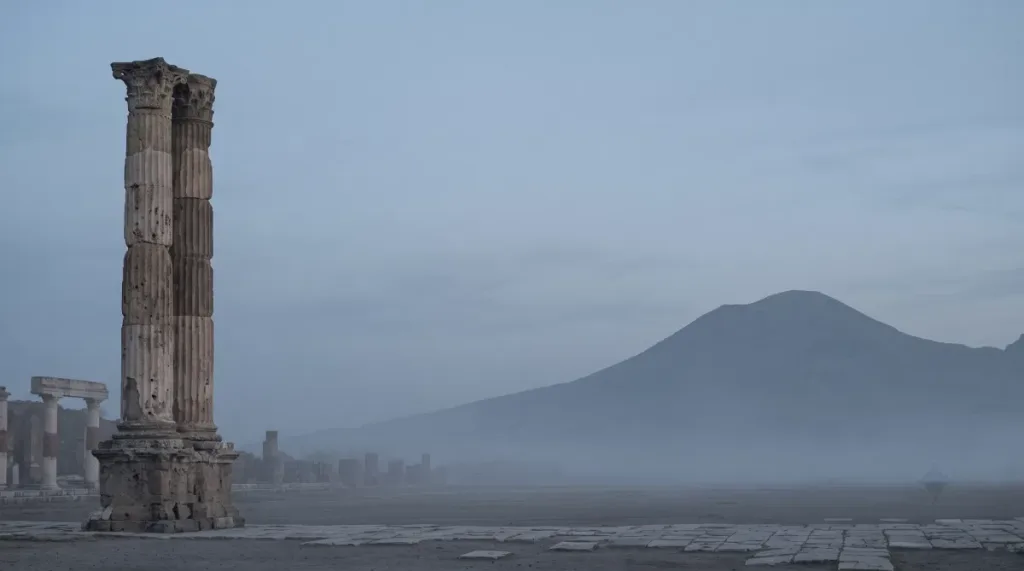
After exploring the ruins, you can easily reach the volcano’s peak. Directly outside the Pompei Scavi station, the EAV bus or private Vesuvio Express shuttles depart every 30-60 minutes. They drop you off at the entry of the Gran Cono trail. From there, it’s a 20-minute hike to the crater rim, offering a panoramic view that explains why Pompeii history and the volcano are inseparable.
FAQ: Essential Tips for Travelers
Is it better to stay in Naples or Sorrento? Naples offers a more authentic experience and better access to the Pompeii history via main train lines. Sorrento is more scenic but often more expensive.
Can you touch the ruins? No. Preservation is the priority. Always stick to the marked paths to help preserve this UNESCO site.
Is one day enough for Pompeii and Vesuvius? Yes, but you must start early. Visit Pompeii in the morning when it’s cooler, and head to Vesuvius in the late afternoon.