
 Mariella
 Estimated reading time: 6 minutes
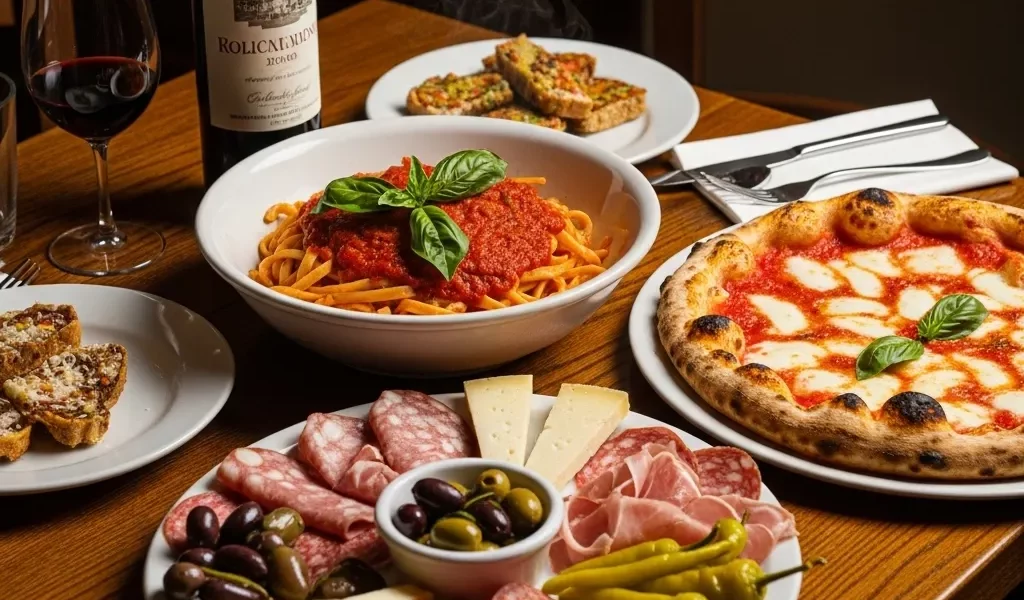
Italian gastronomy is synonymous with tradition, art and passion. Each dish tells a story, each ingredient evokes a region and each bite transports you to the most beautiful landscapes of this country.
Italian cuisine is not based on complexity, but on the excellence of simple ingredients. In this journey through the flavours of Italy, we will explore its fundamental ingredients, iconic dishes and sweet delicacies that have conquered the world.
The Pillars of Italian Gastronomy: Ingredients
Italy is a country with an enormous gastronomic variety, where each region has its own specialties. However, there are elements that are common throughout the peninsula.
The Italian Market: Quality First
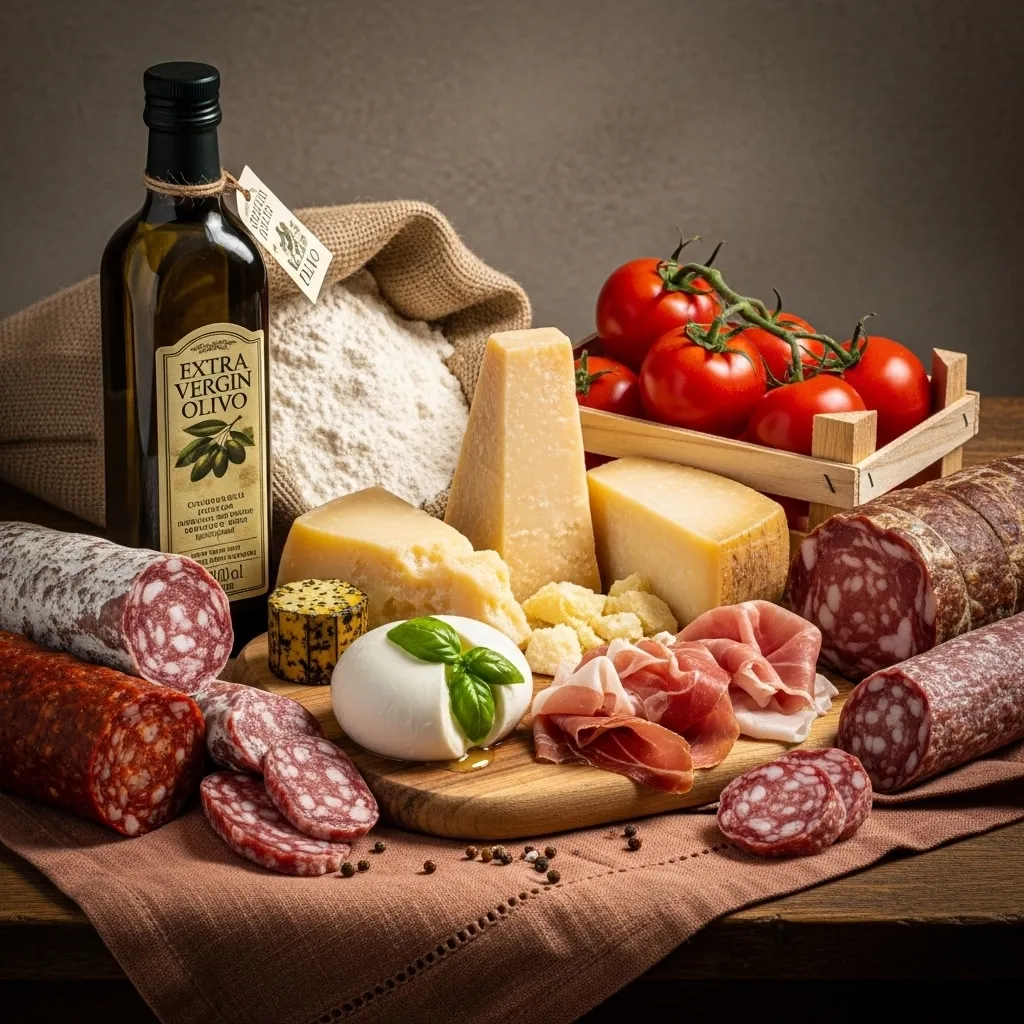
- Extra Virgin Olive Oil: The basis for most recipes.
- San Marzano Tomatoes: Ideal for sauces due to their sweet flavor and low acidity.
- Quality flours: Indispensable for pasta, breads and pizzas.
- Cheeses and cured meats: They vary according to the region, from Parmigiano Reggiano to mozzarella di bufala.
Fundamental principles
- Simplicity with excellence: Priority is given to fresh and seasonal ingredients.
- Balance of flavors: No ingredient should overshadow the other.
- Traditional techniques: From the handmade paste to the maturing of the cheeses.
Iconic Dishes of Italian Gastronomy
What to eat in Italy? Although every village has its recipe, certain dishes have become global ambassadors of Italian culinary culture.
Neapolitan Pizza: World Heritage
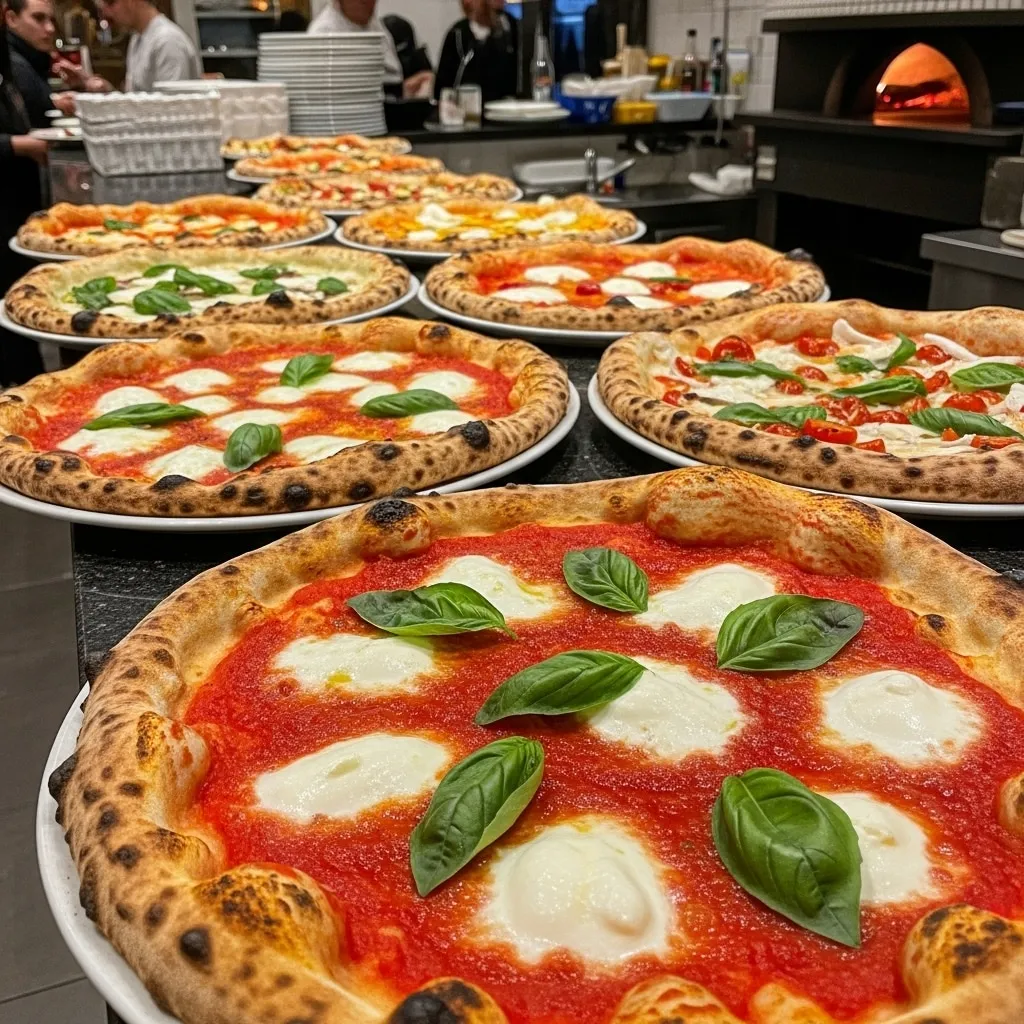
Its spongy and thin dough, baked in a wood-fired oven, makes it a worldwide icon. The most classic versions include:
- Margherita: Tomato, mozzarella and basil.
- Marinara: Tomato, garlic, oregano and olive oil.
The Religion of Pasta: Shapes and Sauces
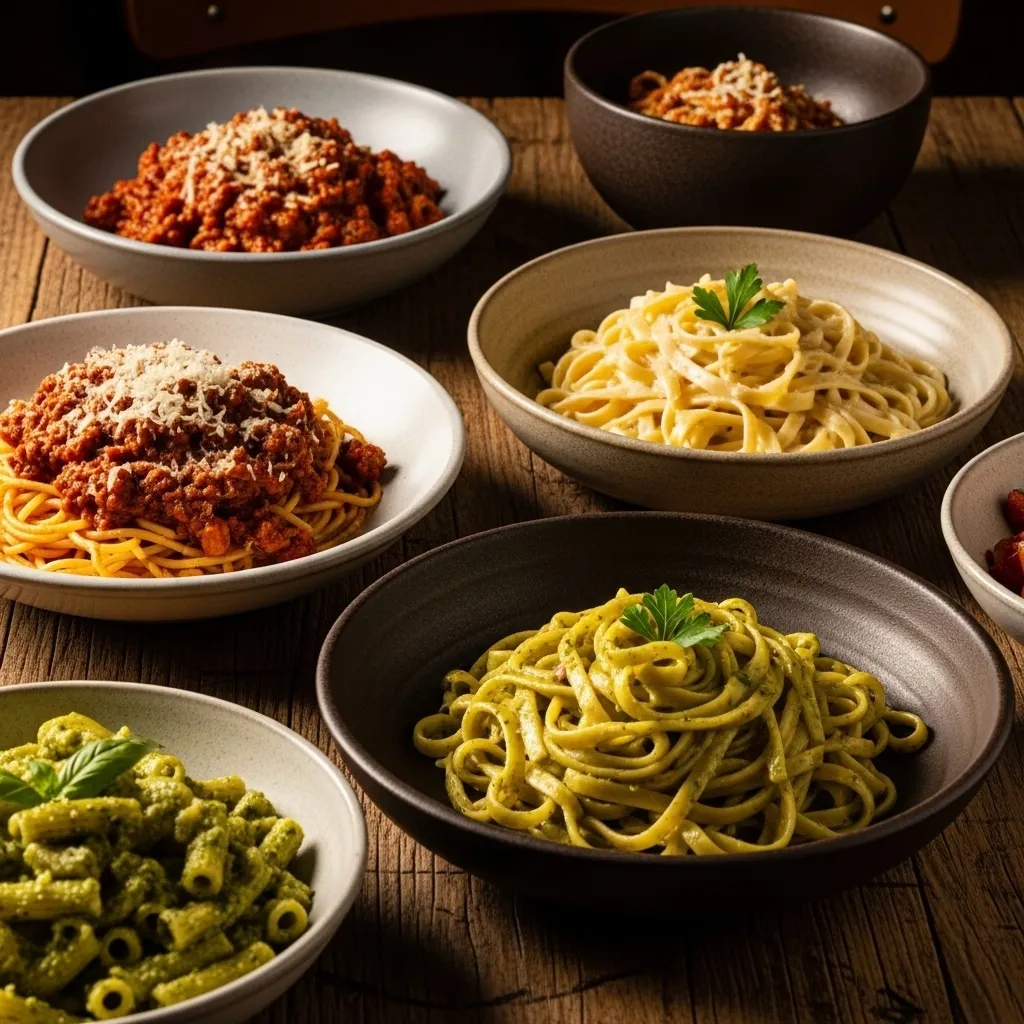
In Italian gastronomy, pasta is almost a religion. The rules are strict: al dente cooking and the right sauce for each shape.
- Carbonara (Rome): Made with guanciale, egg, pecorino and black pepper.
- Spaghetti Aglio e Olio: A humble classic that defines a chef’s mastery.
- Ragù alla Bolognese (Bologna): Slow cooked meat sauce served with tagliatelle.
- Pesto alla Genovese (Liguria): Basil sauce, garlic, pine nuts, cheese and olive oil.
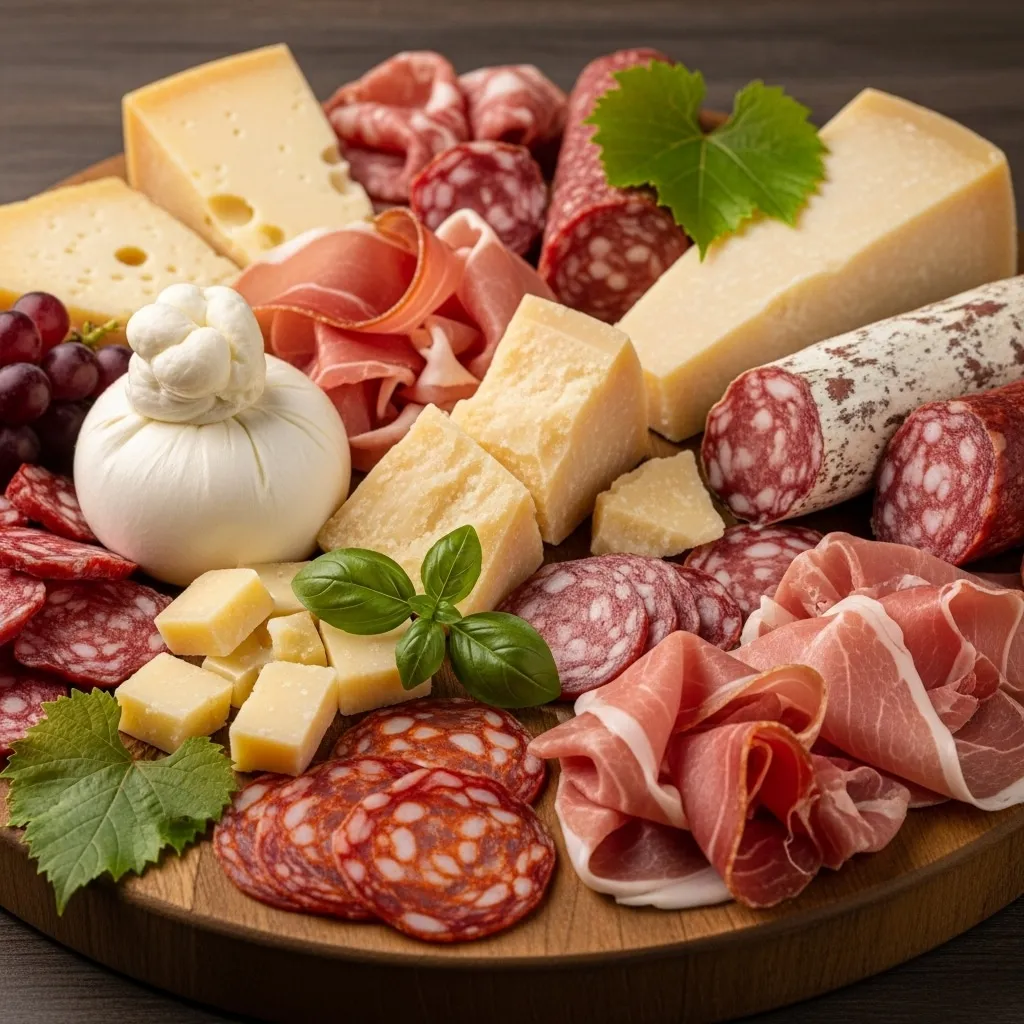
Authentic Italian Cheeses and Cured Meats
Italy is a paradise for cheese and cold meat lovers:
- Parmigiano Reggiano: With its unmistakable umami flavor.
- Mozzarella di Bufala: Soft and creamy, ideal in salads and pizzas.
- Gorgonzola: An intense and creamy blue cheese.
- Prosciutto di Parma: Cured ham with a delicate flavor.
- Salame Milano: Fine texture and spicy flavor.
Regional Diversity in Italian Cuisine (North vs. South)
Each region has a unique culinary identity. Some examples include:
- Risotto alla Milanese (Lombardy): With saffron and parmesan cheese.
- Ossobuco (Lombardy): Veal shank stewed with white wine.
- Arancini (Sicily): Stuffed and fried rice balls.
- Focaccia (Liguria): spongy bread with olive oil.
Il Dolce Far Niente: Italian Desserts to Fall in Love With
Gelato: Creamier than regular ice cream, it comes in exquisite flavors such as pistachio and stracciatella.
Tiramisu: Layers of sponge cake soaked in coffee with mascarpone and cocoa.
Cannoli Siciliani: Crunchy tubes filled with sweet ricotta and decorated with pistachios or chocolate.
Panna Cotta: Creamy dessert accompanied by caramel or fruit coulis.
Sfogliatella: A sweet Neapolitan puff pastry filled with ricotta and semolina with a touch of orange.
Zabaglione: frothy cream of egg yolk, sugar and sweet wine.
Cassata Siciliana: Sponge cake with ricotta, candied fruits and marzipan.



Wines of Italy: The Art of Regional Pairing
Italy is a world leader in wine production, with internationally recognized appellations:
- Chianti (Tuscany): Excellent with meats and pasta.
- Barolo (Piedmont): Powerful and full-bodied, ideal for game dishes.
- Brunello di Montalcino (Tuscany): Sophisticated and complex.
- Amarone della Valpolicella (Veneto): Intense, perfect for aged cheeses.
- Prosecco (Veneto): Light sparkling wine, ideal for aperitifs.
- Lambrusco (Emilia-Romagna): Sparkling, fresh and fruity red wine.
- Marsala (Sicily): A fortified wine used in cooking and desserts.
Italian Cuisine in the World
The influence of Italian gastronomy is indisputable. Its dishes can be found in every corner of the planet, although the international versions often deviate from the original recipes.
True Italian flavors are based on the authenticity of ingredients and respect for tradition. To enjoy true Italian cuisine, it is essential to choose quality products and prepare recipes with care.
Conclusion: The Table as an Act of Love
Italian cuisine is much more than just a list of ingredients or perfect cooking techniques: it is a cultural legacy that unites generations.
In Italy, there is a saying: ‘A tavola non si invecchia’ (You don’t grow old at the table). For us, eating is the most important social event of the day. It is the time when deals are closed, families are reconciled, and life (and food, of course) is discussed. We don’t just eat to nourish ourselves; we eat to be together.
The magic of Italian cuisine lies in its democratic nature. You don’t need expensive ingredients or sophisticated equipment to reach the heights of culinary excellence; with a good olive oil, a ripe tomato and a packet of pasta, you can create a feast fit for a king. That is the real secret I want to convey to you in Napoli en la Mesa: the luxury of simplicity.
I hope this guide has inspired you to look at our cuisine with fresh eyes. Don’t seek the perfection of an Instagram photo; seek the flavour that makes you close your eyes and smile.
Which Italian dish brings back fond memories for you? Would you dare to cook it following the entire ritual? Leave your story in the comments and share this article with other food lovers!
💛 With love, your Neapolitan girl.