 Mariella
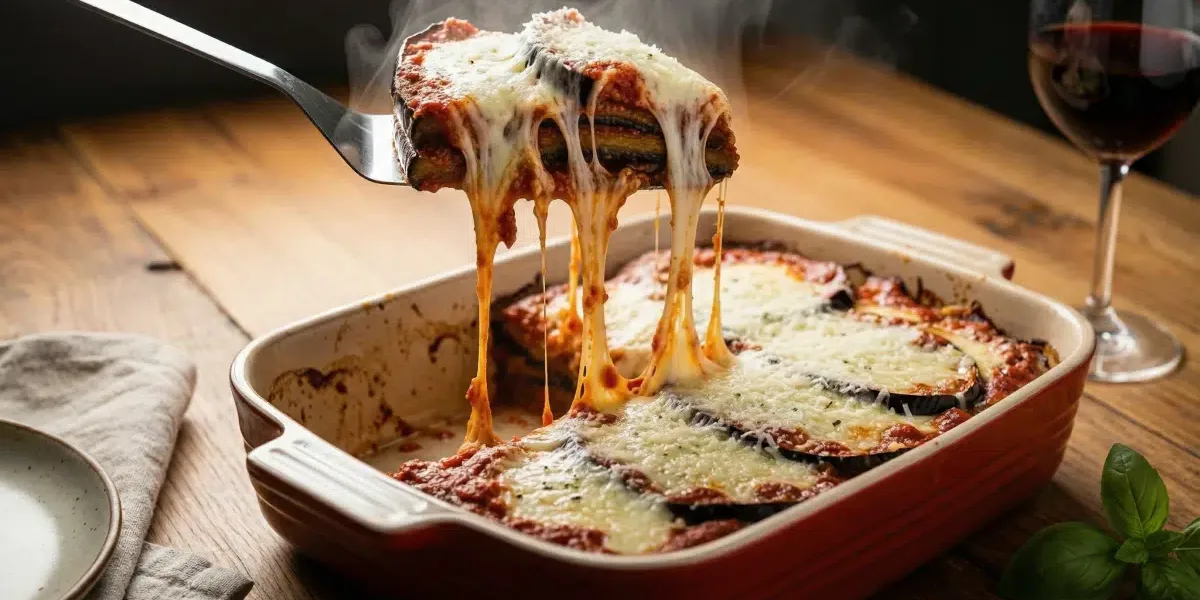
 What is Eggplant Parmigiana? It is one of the most iconic dishes of Italian cuisine, consisting of a savory layered casserole made of fried eggplant slices, tomato sauce, fresh mozzarella, parmesan cheese, and basil, all baked until gratinated. Although its name suggests an origin in Parma, it is the heart of Southern Italian gastronomy, especially in Naples.
Origins of Eggplant Parmigiana: Sicilian or Neapolitan?
Eggplant Parmigiana (Melanzane alla Parmigiana) is a symbol of summer and family Sundays. While the exact origin is debated between Sicily and Campania, the Neapolitan version has a particularity that makes it unique: its richness.
While other regions use a simple tomato sauce, in Naples it is tradition to prepare Eggplant Parmigiana on Sundays using a bit of the Neapolitan Ragu that has been cooking for hours. This gives the dish an unmatched deep, meaty flavor.
The Secret to Success: What type of eggplant should you use?
Not all eggplants work well for a good Parmigiana. If you choose the wrong variety, your dish will release too much water and turn into a soggy mess. In Italy, we mainly use two types:
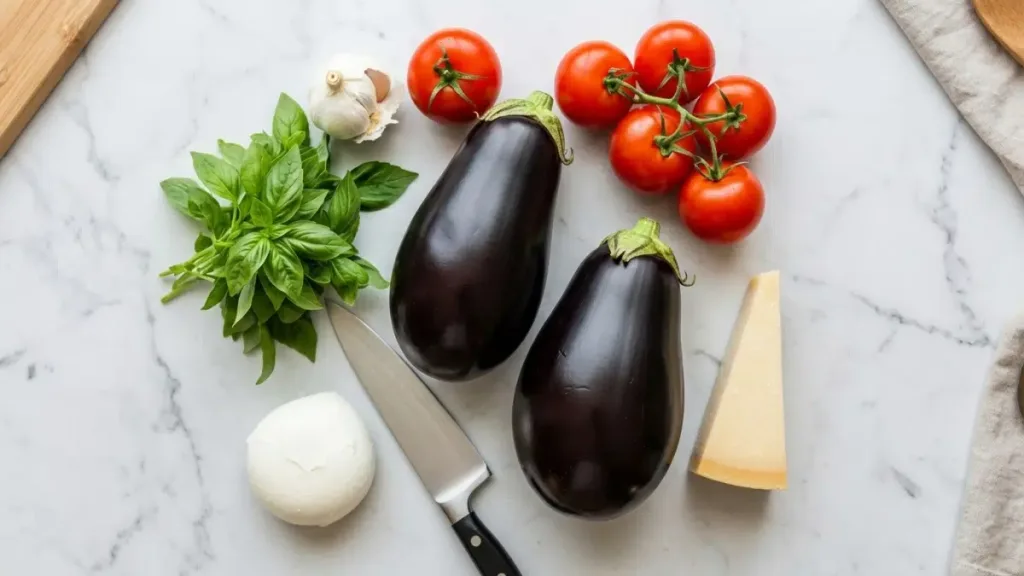
- Long dark eggplant (Lunga napoletana): This is the ideal choice. It has fewer seeds, its flesh is firmer, and it absorbs much less oil when fried.
- Round purple eggplant (Tonda violetta / Globe): Sweeter and meatier. It is a great choice if you decide to make a lighter version with roasted eggplants instead of fried ones.
💡 Tip from a Neapolitan: Whichever variety you choose, the step of letting them “sweat” with coarse salt for 30 minutes is non-negotiable. This removes the bitterness and excess water.
Why is Eggplant Parmigiana So Special?
This dish is made with humble ingredients, but each plays a key role in the success of a perfect Eggplant Parmigiana:
- Eggplants: They must be fried. The authentic recipe demands frying them so they absorb the sauce and melt in your mouth.
- Sauce: Whether a simple San Marzano Tomato sauce or a ragu, it must be thick and sweet.
- Cheese: Mozzarella di Bufala or fior di latte adds elastic creaminess, while Parmigiano Reggiano gives the salty, umami touch.
What makes Eggplant Parmigiana so irresistible is its balance of textures and flavors: the softness of the eggplant, the acidity of the tomato, and that slightly gratinated surface that crunches when broken.
Authentic Eggplant Parmigiana Ingredients
- 1 kg eggplants (preferably long dark ones).
- 700 g homemade tomato sauce (or Neapolitan Ragu for the festive version).
- 300 g Mozzarella (or Fior di Latte), cubed and well-drained.
- 100 g Grated Parmesan cheese.
- Fresh basil leaves from Basil.
- Flour (optional, for lightly dredging before frying).
- Sunflower oil (for frying) and Extra Virgin Olive Oil.
- Salt and pepper to taste.
How to Make Traditional Eggplant Parmigiana (Step-by-Step)
1. Prepare the Eggplants
Wash and cut the eggplants lengthwise into slices about 5mm thick. Sprinkle with coarse salt and let them rest in a colander for 30-60 minutes to release the bitter vegetation water. Then, wash, drain, and dry them very well with paper towels.
2. The Secret: Frying
Lightly dredge the slices in flour (this step is typical of Naples) and fry them in plenty of hot oil until golden. Let them rest on paper towels. Do not skip this step: frying defines the texture of a real Eggplant Parmigiana.
3. Assemble the Casserole
In an ovenproof dish, spread a spoonful of sauce on the bottom. Place a first layer of fried eggplants (without leaving gaps). Cover with tomato sauce, distribute mozzarella cubes, sprinkle generously with parmesan, and add fresh basil leaves.
4. Layers and More Layers
Repeat the process (eggplant, sauce, cheeses, basil) until all ingredients are used. Make sure the last layer of your Eggplant Parmigiana is just tomato sauce and plenty of grated parmesan to create a delicious crust.
5. Bake and Rest
Bake in a preheated oven at 200°C (400°F) for about 30-40 minutes, until the surface is bubbly and golden. Important: Once out of the oven, let the Eggplant Parmigiana rest for at least 30 minutes before cutting. If served piping hot, it will fall apart. This dish is even better warm or the next day.
⏱️ Cooking Times & Temperatures Cheat Sheet
To ensure perfect layers and beautifully melted cheese without burning the top, keep this quick guide handy:
| Recipe Phase | Oven Temperature | Estimated Time |
| Purging eggplants (with salt) | Room temperature | 30 – 40 minutes |
| Main baking | 200°C (400°F) | 30 – 40 minutes |
| Final broil/gratin (optional) | Broiler setting | 3 – 5 minutes |
| Mandatory resting (Do not cut!) | Out of the oven | 20 – 30 minutes |
How is Eggplant Parmigiana Served?
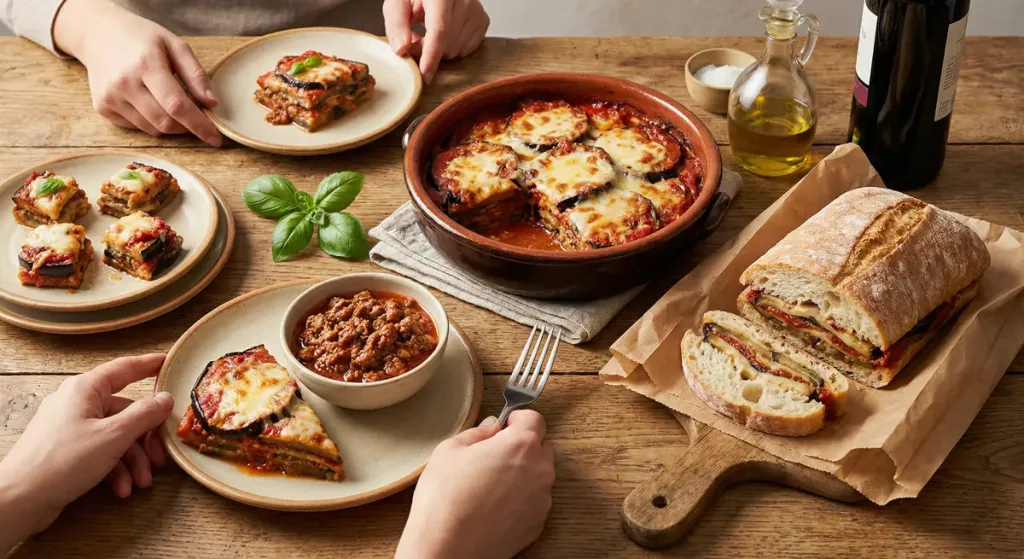
Eggplant Parmigiana is extremely versatile in Italian cuisine. In Naples, it is served as:
- Starter (Antipasto): In small portions.
- Second Course: Accompanying the meat from the ragu.
- Beach Sandwich: It is a classic to put a slice of cold Eggplant Parmigiana inside Neapolitan bread to take to the beach (“marenna”).
Flavor, tradition, and a lot of heart. This recipe represents the spirit of Italian cuisine. Whether you prepare it Neapolitan style or Sicilian style, the important thing is to enjoy it surrounded by those you love most.
And you? Are you on team “with ragu” or “with simple tomato”? Let me know in the comments! 💛
Frequently Asked Questions
Do you peel the eggplant for Eggplant Parmigiana?
Traditionally, no. The skin helps the eggplant slices hold their shape during frying and baking, preventing them from turning into mush. It also adds flavor and texture. However, if using very large or older eggplants with thick, tough skin, you may choose to peel them partially or fully.
Is Eggplant Parmesan served hot or cold?
In Naples, it is widely believed that Parmigiana tastes better the next day. Serving it warm or at room temperature allows the layers to set, making it easier to slice, and lets the flavors of the tomato, cheese, and fried eggplant meld perfectly.
Why is my Eggplant Parmigiana watery?
A watery Parmigiana usually results from skipping the salting step (which draws out moisture) or using a tomato sauce that is too thin. To fix this, salt your slices for at least 30 minutes before frying and ensure your sauce is well-reduced.